

The Chess Match of Sports Betting
Tennis betting isn’t just another market—it’s an intellectual battlefield where momentum swings like a pendulum, and a single point can redefine an entire match. Unlike team sports, where formations and collective tactics dominate, tennis strips the game down to two individuals, their endurance, psychology, and adaptability. Understanding the game is one thing; mastering the art of betting on it requires an entirely different skill set.

The Element of Individuality: No Place to Hide
In football or basketball, a poor performance can be masked by a teammate’s brilliance. Tennis, however, is a ruthless duel where every weakness is exposed. Betting on a football team means assessing eleven players, but in tennis, it’s a deep dive into one player’s mental and physical condition, playing style, and historical performance on specific surfaces. Betting without factoring in a player’s current form, fatigue levels, and head-to-head matchups is a recipe for disaster.
The Surface Factor: The Silent Game-Changer
A football pitch remains largely consistent across leagues, but in tennis, the surface dictates the style of play. Grass courts, fast and low-bouncing, favor aggressive servers and serve-and-volley specialists. Clay courts slow the ball down, turning matches into endurance wars where baseline grinders thrive. Hard courts balance speed and bounce, rewarding all-around players. A bettor ignoring these nuances is like a stock trader investing blindly.

Live Betting: Riding the Waves of Momentum
Momentum in tennis is more volatile than in any other sport. A player trailing by a set can suddenly find their rhythm, turning the tide within minutes. This is why live betting in tennis is a goldmine—if you can read momentum shifts correctly. Watching for body language, first-serve percentage drops, or signs of frustration can reveal hidden opportunities that pre-match stats won’t show.
The Psychological War: Who Cracks First?
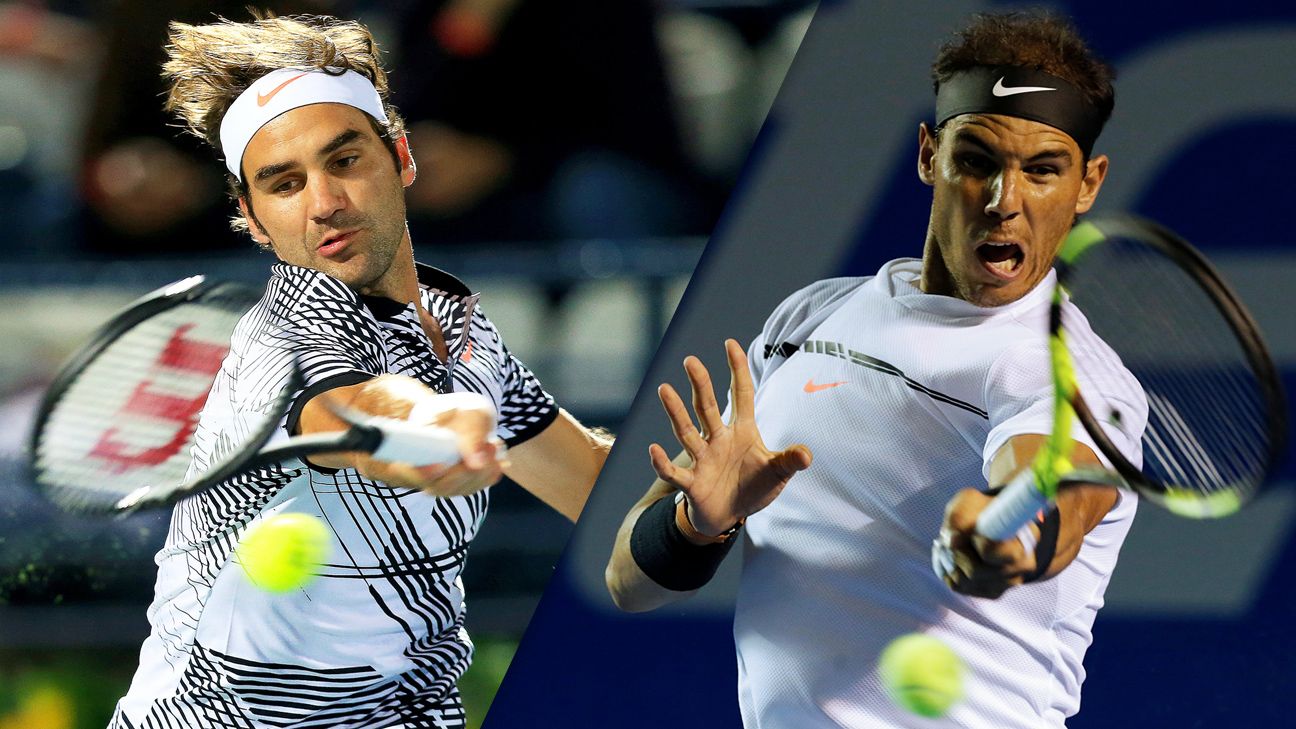
Tennis is a mind game. A player with technical superiority can still lose if they crumble under pressure. Some players, like Rafael Nadal, thrive in long, grinding battles. Others, like Nick Kyrgios, can either dominate or self-destruct. Understanding these psychological patterns gives bettors an edge. Recognizing ‘chokers’ versus ‘clutch’ players is often the difference between winning and losing a bet.
The Scheduling Puzzle: Fatigue and Travel Matter
Tennis players traverse continents weekly, battling jet lag, exhaustion, and changing climates. A player who just won a five-set marathon may have little left in the tank for the next match. Factoring in travel fatigue, recovery times, and motivation levels separates sharp bettors from casual ones.
Conclusion: The Thinking Man’s Sport
Betting on tennis isn’t about gut feelings; it’s about dissecting layers of data, psychology, and in-game dynamics. It’s chess on a court, where every move has a ripple effect. Unlike football or basketball, where a lucky bounce can change everything, tennis rewards those who analyze deeply and react swiftly. If you can master the intricacies of the sport, you won’t just be betting—you’ll be predicting the future.


