

If history were a book, sports betting would be one of its most dog-eared pages—marked with ink stains of ambition, greed, and the eternal human craving for risk. From the sun-baked arenas of ancient Rome to the sleek, algorithm-driven sportsbooks of the digital age, the journey of sports betting is as thrilling as the wagers it inspires. This is not just the tale of placing bets—it is the chronicle of civilization’s relationship with chance, competition, and the seductive whisper of fortune.

Chapter 1: When Betting Meant Blood – Wagers in the Ancient World
Long before neon-lit casinos and virtual betting apps, sports betting was a primal affair. Imagine a dust-laden Roman Colosseum where tens of thousands roared as two gladiators clashed in a fight to the death. Betting wasn’t just a pastime—it was a lifeline, often determining a gambler’s social standing, financial survival, or even their literal freedom.
The Greeks, fathers of the Olympic Games, were no strangers to the thrill of the wager. Back then, betting was a more aristocratic affair, often reserved for the elites who saw it as a demonstration of wisdom and foresight rather than mere luck. In China, rudimentary forms of betting on animal fights and athletic competitions were deeply intertwined with local culture, planting the seeds for what would later blossom into modern bookmaking.

Ancient betting wasn’t merely an indulgence—it was a societal currency. It dictated allegiances, drove the economy, and, in many cases, led to riots, revolts, and royal interventions. The house didn’t always win back then—but it certainly shaped history.
Chapter 2: The Bookie Rises – The Birth of Organized Betting
Fast forward to the 18th and 19th centuries, where betting evolved from back-alley dealings into a more structured, albeit equally contentious, industry. England became the epicenter of a new wave of betting culture, where horse racing and cockfights saw the rise of the professional bookmaker.
Betting houses were clandestine at first, operating in the shadows of legal scrutiny. But as their influence grew, so did government involvement. Regulations were introduced, not to suppress gambling, but to profit from it. The state realized something fundamental—if you can’t beat them, tax them.
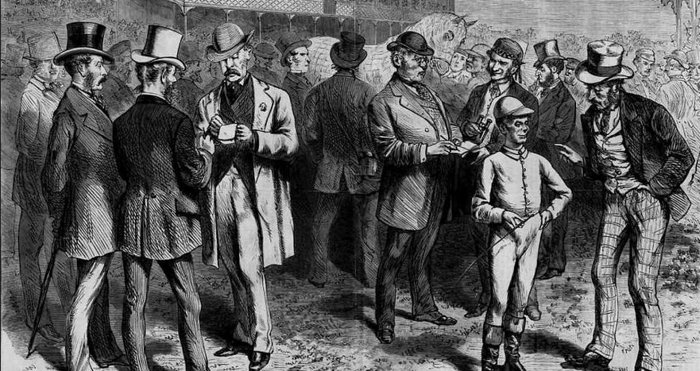
This period also birthed the first true ‘sportsbooks,’ where punters could place odds-backed wagers on a variety of sports. The transition from informal wagers to structured betting odds was akin to the shift from barter trade to currency—betting had matured into an industry.
Chapter 3: The Mafia, the Mob, and the Dirty Money Era
No history of sports betting would be complete without a trip to the smoke-filled, whiskey-scented gambling dens of the early 20th century. The Prohibition era in the United States didn’t just make alcohol illegal—it fueled the rise of underground bookmakers, often controlled by mobsters who saw sports betting as a gold mine.
The likes of Al Capone and Arnold Rothstein weren’t just gangsters; they were pioneering gambling tycoons, laying the foundations for the modern betting empire. Fixing games, bribing athletes, and manipulating odds weren’t just urban legends—they were the rule of the day. Betting was no longer just about predicting outcomes—it had become a shadowy chessboard of power and corruption.

But the real game-changer? The 1961 Wire Act, which aimed to clamp down on interstate sports betting. The U.S. government, recognizing the magnitude of illicit gambling, sought to regulate and curb its influence. The law had a paradoxical effect—it didn’t kill betting; it simply forced it to innovate.
Chapter 4: From Telephone Bets to Digital Titans – The Tech Revolution
The dawn of the internet was the equivalent of inventing fire for the gambling industry. Suddenly, betting was no longer confined to race tracks, dimly lit bookie offices, or secretive phone calls. The first online sportsbook, Intertops, launched in 1996, setting the stage for an industry that would soon explode into a multi-billion-dollar phenomenon.
With the advent of smartphones, betting went from a scheduled activity to an impulsive one. No longer did gamblers need to plan their bets—they could place them mid-game, with a flick of the thumb. The introduction of live betting and AI-powered odds-making revolutionized how wagers were placed. The bookie, once a grizzled man in a smoky backroom, was now an algorithm running thousands of simulations per second.

And just when it seemed the industry had reached its peak, the rise of blockchain and decentralized betting platforms threatened to shake the very foundations of traditional sportsbooks. Cryptocurrencies, with their promise of anonymity and security, are ushering in yet another paradigm shift. The industry is no longer just about odds and payouts—it’s about technology, data, and an arms race for the next innovation.
Chapter 5: The Future – Where Do We Bet From Here?
With virtual reality, AI-driven analytics, and even brainwave-powered betting on the horizon, the next frontier of sports betting is more unpredictable than ever. Governments are scrambling to regulate it, while tech companies are racing to capitalize on it. One thing is certain—sports betting is no longer just a game of luck; it is a technological and psychological battlefield.

Will AI-powered prediction models replace human bettors? Will decentralized betting platforms render traditional bookies obsolete? Or will society eventually grapple with the ethical dilemmas that come with hyper-accessible gambling? The answers remain uncertain, but the bets are already being placed.
Final Thoughts: Betting Isn’t Just Business—It’s Human Nature

The history of sports betting is a reflection of humanity’s eternal dance with risk and reward. From gladiatorial arenas to digital dashboards, the same forces that drove ancient Romans to wager on fighters are at play when a 21st-century gambler places an in-game bet on their smartphone.
The house may always win in the long run, but the real thrill? That lies in the chase, the moment of anticipation before the dice settle, the last-second goal that turns despair into euphoria. That’s why sports betting isn’t just a pastime—it’s a mirror into the very soul of human nature.


