

The Great Illusion: Why Betting Odds Are Never Just Numbers
To the untrained eye, betting odds seem like a cold, mathematical construct—a mere numerical reflection of an event’s probability. But beneath that seemingly static display lies a living, breathing ecosystem of psychological warfare, market manipulation, and algorithmic wizardry. The truth? Odds aren’t just set; they move, they react, they deceive. And those who fail to understand this intricate dance are doomed to wager blindly in a game where the house—and often, the market makers—always hold the upper hand.

Betting markets are not democratic. They are a brutal coliseum where bookmakers, sharp bettors, and syndicates engage in an unspoken battle for profit, each leveraging information, deception, and market psychology to tip the scales. The question is: Are you the hunter or the hunted?
Chapter 1: The Architect Behind the Curtain – Who Sets the Odds?
Odds don’t appear out of thin air. They are meticulously crafted by oddsmakers—highly skilled mathematicians and analysts who blend statistical models, historical data, and real-time information to create the opening lines. Think of them as chess grandmasters who anticipate every possible move before the first piece is played.

The initial odds reflect not just probability but also the bookie’s anticipated betting behavior. A crucial distinction: bookmakers don’t just price an event based on expected outcomes; they shape odds to ensure profitability. Their goal is not necessarily to predict the future but to balance their books and manipulate public perception. They know that public bettors (the so-called “square bettors”) tend to favor favorites, overvalue recent performances, and bet emotionally rather than logically. So, lines are shaded accordingly, creating a built-in house advantage before a single bet is placed.
Chapter 2: The Silent Movers – What Makes Odds Shift?
If odds were static, betting would be a simple matter of calculation. But the real game begins when odds start moving like ripples on a pond—sometimes subtly, sometimes with tidal force. The key influencers of odds movement are:
1. Betting Volume & Market Sentiment
Massive influxes of money on one side of a bet can trigger an adjustment. Bookmakers are not in the business of gambling; they are risk managers. If too much money floods one side, they adjust the line to encourage bets on the other side, rebalancing their liability.
2. Sharp Money vs. Public Money
All bets are not created equal. A $100,000 wager from a professional betting syndicate will move the line faster than a million dollars in $10 bets from casual fans. This is because bookmakers respect sharp bettors—they analyze their moves like Wall Street traders tracking hedge fund investments. When sharp money floods in, odds shift dramatically.
3. Breaking News & Unexpected Variables
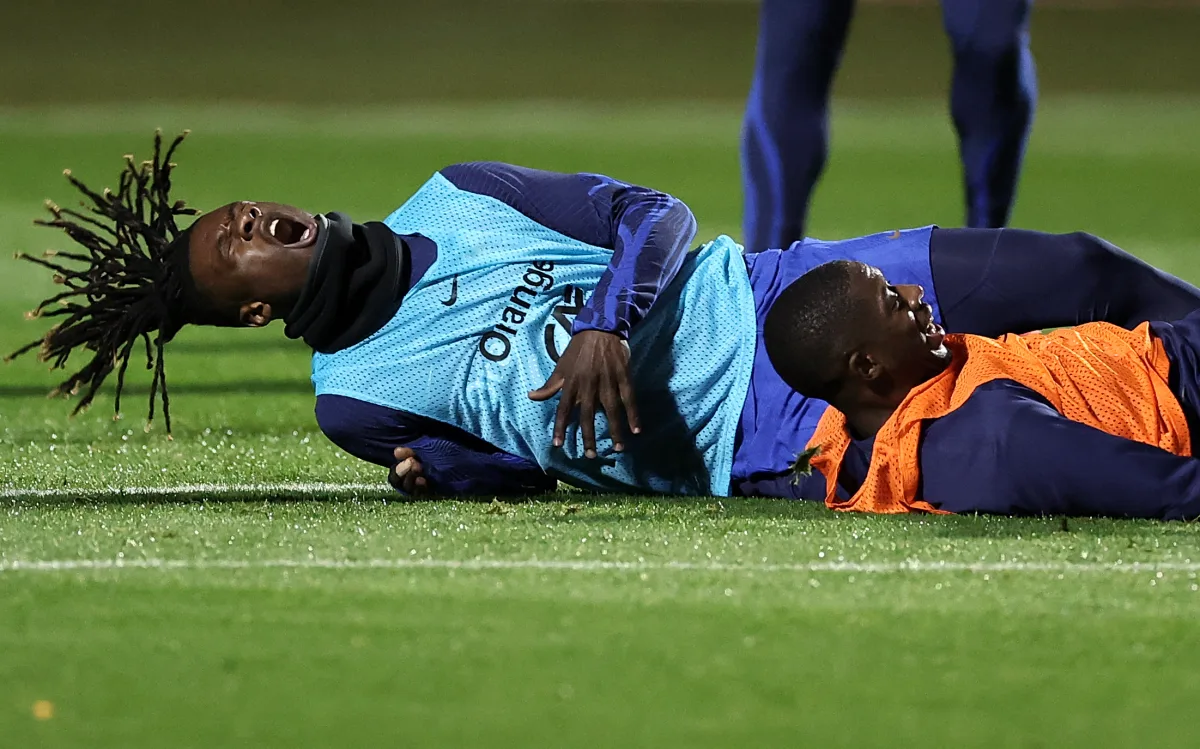
A star quarterback tweaks his ankle in warmups. A boxer suffers from dehydration before weigh-ins. A sudden change in weather threatens to turn a high-scoring affair into a defensive slog. The betting market responds to new information at lightning speed, often adjusting odds before the public even catches wind of the development.
4. Psychological & Strategic Manipulation
Here’s where things get dark. Sometimes, odds move not because of genuine market activity but as a deliberate ploy. Bookmakers or betting syndicates might manipulate odds to mislead the public. A sudden odds movement could be a bait-and-switch tactic, drawing in emotional bettors before the line reverses, leaving them on the wrong side of the bet.
Chapter 3: Reading the Odds Like a Market Whisperer
Understanding odds movement is like deciphering stock market trends—patterns emerge, but only those who recognize the signals early profit. Here’s how to train your mind to see what others don’t:
1. Identify Reverse Line Movement (RLM)
When the majority of bets are on one team, but the line moves in the opposite direction, it’s a red flag. This suggests sharp money is flowing against public perception—a sign that professionals see hidden value the masses don’t.
2. Watch the Closing Line
The closing odds (the final odds before an event starts) are often the most efficient reflection of true probability. Consistently beating the closing line (getting better odds than where they settle) is a key indicator of a sharp bettor. If your wagers always close at worse odds, you are likely on the wrong side of value.
3. Study Historical Trends
Just as stock traders analyze past charts, professional bettors track historical odds movement. Certain teams, leagues, or events exhibit consistent patterns. For example, NFL underdogs tend to gain betting value later in the week as public money pours in on favorites early.
Final Thoughts: The House Wins, But So Can You
The betting market is not designed for the average bettor to win. The house stacks the deck, but sharp bettors find edges in inefficiencies, timing, and disciplined strategy. Your job is to stop thinking like the public and start seeing the game within the game.
Before you place your next bet, ask yourself: Am I reacting to a narrative, or am I reading the true signals of the market? The answer could mean the difference between being the prey or the predator in this high-stakes jungle of probabilities, psychology, and deception.
Welcome to the real game. Now, play it wisely.


