

It starts with a whistle. Not just any whistle—the kind that can shift millions in an instant, the kind that turns hopeful bets into heart-wrenching losses, the kind that, for many, represents the fine line between coincidence and conspiracy. Referees, the so-called impartial arbiters of the game, are often placed under the microscope by bettors, analysts, and conspiracy theorists alike. Are their controversial calls merely part of the human element in sports, or is there a darker, more calculated hand at play?

The Silent Architects of the Game
A referee is more than just a rules enforcer; they are the architects of a match’s tempo, the invisible hands that guide the game’s narrative. A single decision—whether a dubious penalty, a contentious offside, or an inexplicably long injury time—can swing the fate of teams and, by extension, the fortunes of punters.
In a sport where razor-thin margins separate victory from defeat, the referee’s whistle is not just a tool of order but a potential instrument of financial upheaval. Consider a Champions League knockout tie where a soft penalty call reshapes the entire betting landscape. To the casual fan, it’s an unfortunate judgment. To the seasoned punter, it smells of something more.
Statistical Anomalies: A Pattern or Mere Randomness?
If refereeing inconsistencies were purely accidental, we would expect randomness in their distribution. However, when scrutinizing match data, certain referees appear to exhibit distinct tendencies—some issue yellow cards at an abnormally high rate, others favor home teams disproportionately, and then there are those who seem to tilt the scales in favor of the giants of the sport.

Take Pierluigi Collina, widely regarded as one of the greatest referees of all time. His presence on the pitch often suggested authority, yet an analysis of his decisions showed a subconscious bias toward protecting high-profile teams in crucial moments. Was this a product of FIFA’s silent influence, market-driven interests, or simply the immense psychological pressure of high-stakes games?
The Betting Syndicates’ Shadow
It is naive to assume that a multi-billion-dollar industry like sports betting exists in a vacuum, untouched by manipulation. The 2005 German match-fixing scandal involving referee Robert Hoyzer exposed the uncomfortable truth: referees could, and in some cases, do alter the course of games for financial incentives. Hoyzer admitted to working with Croatian betting syndicates, engineering specific outcomes for matches in exchange for financial gain.
More recently, whispers of similar manipulation have surfaced in smaller leagues, where officiating is under less scrutiny. Betting markets for niche competitions like Southeast Asian football or lower-division European leagues often see bizarre spikes in betting patterns—coincidence or something more sinister?
Psychology of Refereeing: Cognitive Bias or External Pressure?
Referees are human, and like all humans, they are prone to cognitive biases. Studies in sports psychology suggest that referees, even when striving for impartiality, may subconsciously favor the home team due to crowd influence, or give favorable calls to star players due to status bias.
But beyond subconscious biases, there are external pressures—some overt, others subtle. Imagine a referee officiating a high-stakes fixture where millions are riding on the outcome. He knows that a single call could result in threats, scrutiny, or even damage to his career. Now, add the whispers of elite clubs that indirectly shape referee selection, or the unseen hand of bookmakers who thrive on calculated uncertainty. Suddenly, impartiality is no longer an absolute concept—it is a spectrum.
The VAR Dilemma: An Illusion of Objectivity?
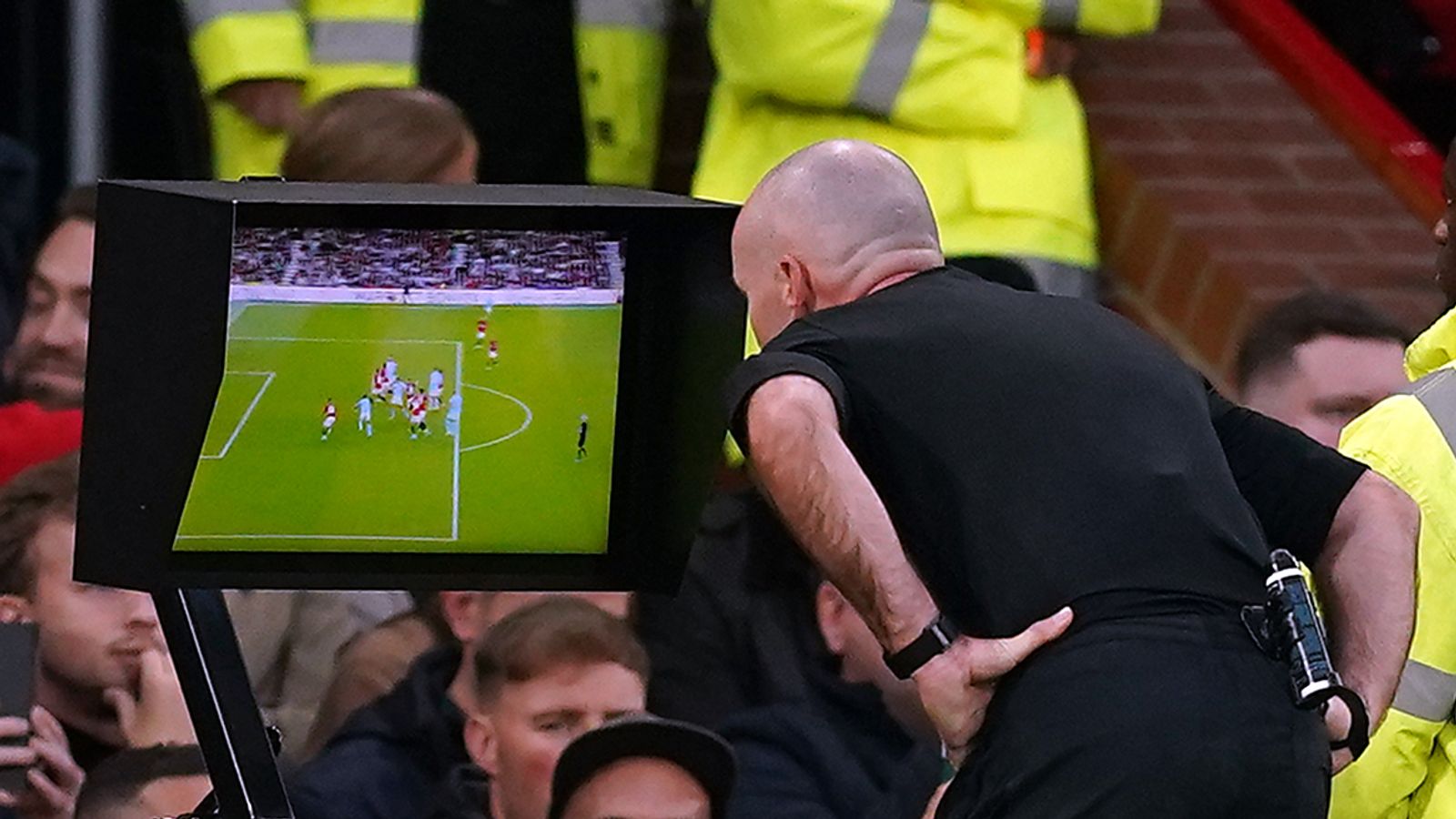
When Video Assistant Referee (VAR) technology was introduced, many believed it would eliminate officiating controversies. Instead, it has only deepened suspicions. Why are certain angles shown and others ignored? Why do some referees review clear and obvious errors while others dismiss them without a second glance?

Consider the infamous 2022 World Cup quarter-final between Argentina and the Netherlands, where officiating decisions left both punters and fans questioning the legitimacy of the calls. The inconsistencies in the application of VAR further fuel the narrative that referees, intentionally or not, are part of a larger script where outcomes are not left entirely to chance.
Actionable Frameworks for Punters: Reading Between the Lines
For those looking to sharpen their betting strategies, understanding referees is just as critical as analyzing teams and players. Here’s a practical approach:
- Study the Officials – Track referee statistics like card averages, penalty tendencies, and home/away bias. Websites dedicated to referee analytics provide valuable insights.
- Cross-Analyze with Betting Markets – Watch for unusual odds movements before games where certain referees are officiating. Sudden shifts might hint at insider knowledge.
- Watch for Game Flow Manipulation – A referee who sets a lenient tone early in a match but suddenly tightens discipline late in the game could be responding to external pressures.
- Consider League-Level Trends – Some leagues have historically been more susceptible to referee controversies than others. The Italian Serie A and Brazilian leagues, for instance, have long battled allegations of officiating inconsistencies.
Final Whistle: Conspiracy or Reality?
So, are referees active agents in shaping betting outcomes, or are they merely scapegoats for an industry built on unpredictability? The truth likely lies somewhere in between—a complex interplay of human psychology, systemic pressures, and financial interests.
What cannot be denied is the undeniable impact that a single whistle can have, not just on the field, but in the vast ecosystem of global betting markets. Whether through calculated intent or subconscious influence, referees will always be the silent power brokers of the game, leaving bettors to forever wonder: was that decision just part of the game, or part of the grander game behind the scenes?


