

Introduction: The Unseen Hand That Tilts the Game
Imagine stepping onto the battlefield—not a war zone, but a stadium pulsating with the raw energy of thousands. The air vibrates with chants that seem to merge into a singular force, a tribal war cry that seeps into the bones of the competitors. The home team steps onto the pitch, shoulders squared, chests puffed, moving with the quiet assurance of warriors defending their sacred ground. Meanwhile, the visiting team—out of their comfort zone, drowning in unfamiliar hostility—must battle not just their opponents but the invisible weight pressing down on them.

But is this phenomenon real? Is home advantage a quantifiable force embedded in the very fabric of competitive sports, or is it an elaborate illusion perpetuated by psychology, selective memory, and superstition?
Let’s strip away the mythos, dissect the science, and uncover the truth behind home advantage—layer by layer, like an intricate betting slip where every odd and percentage reveals a hidden narrative.
The Statistical Edge: Cold Hard Numbers or a Coincidence?
If you ask any seasoned sports analyst, they’ll tell you: home teams win more. Across football (soccer), basketball, American football, and even combat sports, the home team secures victory more often than not. But correlation is not causation. Does playing at home actually boost performance, or are we looking at a self-reinforcing prophecy?
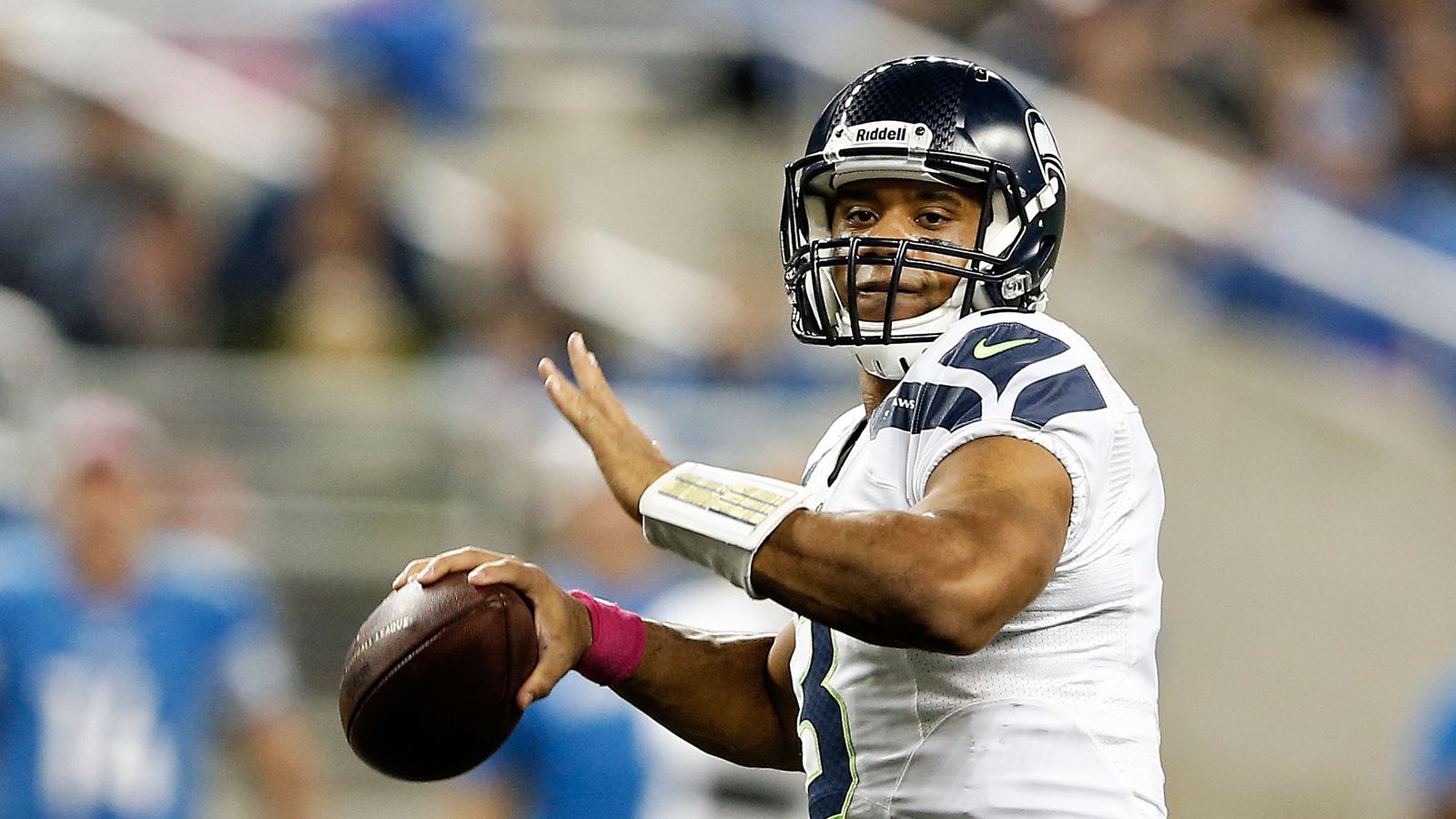
A deep dive into statistical archives shows an undeniable trend:
Football (Soccer): Home teams in the English Premier League win approximately 45-50% of matches, compared to around 25-30% for away teams.
NBA Basketball: Home teams win about 55-60% of games.
NFL: Home teams boast a 57% win rate historically.
Tennis: The effect diminishes, but home-country players in major tournaments do have a slight statistical advantage.
Is it magic? Not quite. The key lies in the interplay of psychology, physiology, officiating bias, and environmental familiarity.

The Psychology of Territory: Why We Defend Our Turf Like Lions
Humans, like animals, are territorial creatures. From ancient battlefields to modern business negotiations, “home turf” stirs something primal in us—a subconscious, evolutionary urge to defend. Neuroscience suggests that when individuals perform in their home environment, cortisol (the stress hormone) levels tend to be lower, while testosterone (the dominance hormone) sees an uptick.
This translates to more aggressive, confident gameplay. Think of it like poker—when a player holds the psychological upper hand, they bluff better, call sharper, and exude an aura of control. In sports, this edge manifests as heightened focus, increased risk-taking, and an ability to push beyond exhaustion.

For visiting teams, the inverse happens. A hostile crowd induces stress, disrupting cognitive function, slowing reaction time, and injecting hesitation where instinct should reign. It’s not just about skill; it’s about who controls the mental battlefield.
Referee Bias: The Unconscious Influence of the Roaring Masses
This is where things get eerily fascinating. Studies have shown that referees, despite their best efforts to remain impartial, are swayed by the sheer force of crowd noise.
Research from the University of Bath analyzed thousands of football matches and found that home teams receive fewer fouls and benefit from longer stoppage time when trailing. Even in sports like basketball, foul calls tend to favor the home team, often subtly enough to go unnoticed but significant enough to tip the scales.

Why does this happen? The social pressure hypothesis suggests that even trained professionals succumb to an ingrained human tendency: avoiding conflict with the collective. A stadium of 60,000 screaming fans creates an overwhelming psychological environment where a 50/50 call suddenly feels like a 60/40 decision in favor of the home side.
The beauty of this? It’s undetectable in real-time. But over the course of a season, it stacks up like compounded interest in a gambler’s bankroll.
The Subtle Edge of Familiarity: Environmental Mastery in Action
Let’s get practical. Have you ever noticed how a boxer spars better in their own gym, or how a poker player reads the room more effectively in their home casino? The same principle applies to sports.
Spatial Awareness: Home players instinctively know every inch of their playing field. In football, they understand exactly how the ball moves on their pitch—its bounce, its roll, its unpredictabilities.
Travel Fatigue: Away teams, especially in international fixtures, battle not only their opponents but also jet lag, disrupted sleep patterns, and unfamiliar routines. This isn’t trivial—it can mean the difference between split-second decision-making and costly hesitation.
Climate Adaptation: Playing at high altitudes, extreme temperatures, or even under different lighting conditions can subtly affect performance. Consider Bolivia’s national football team, which plays at La Paz (3,600 meters above sea level)—where visiting teams often struggle for oxygen while the home team dominates.
Breaking the Myth: When Home Advantage Fails
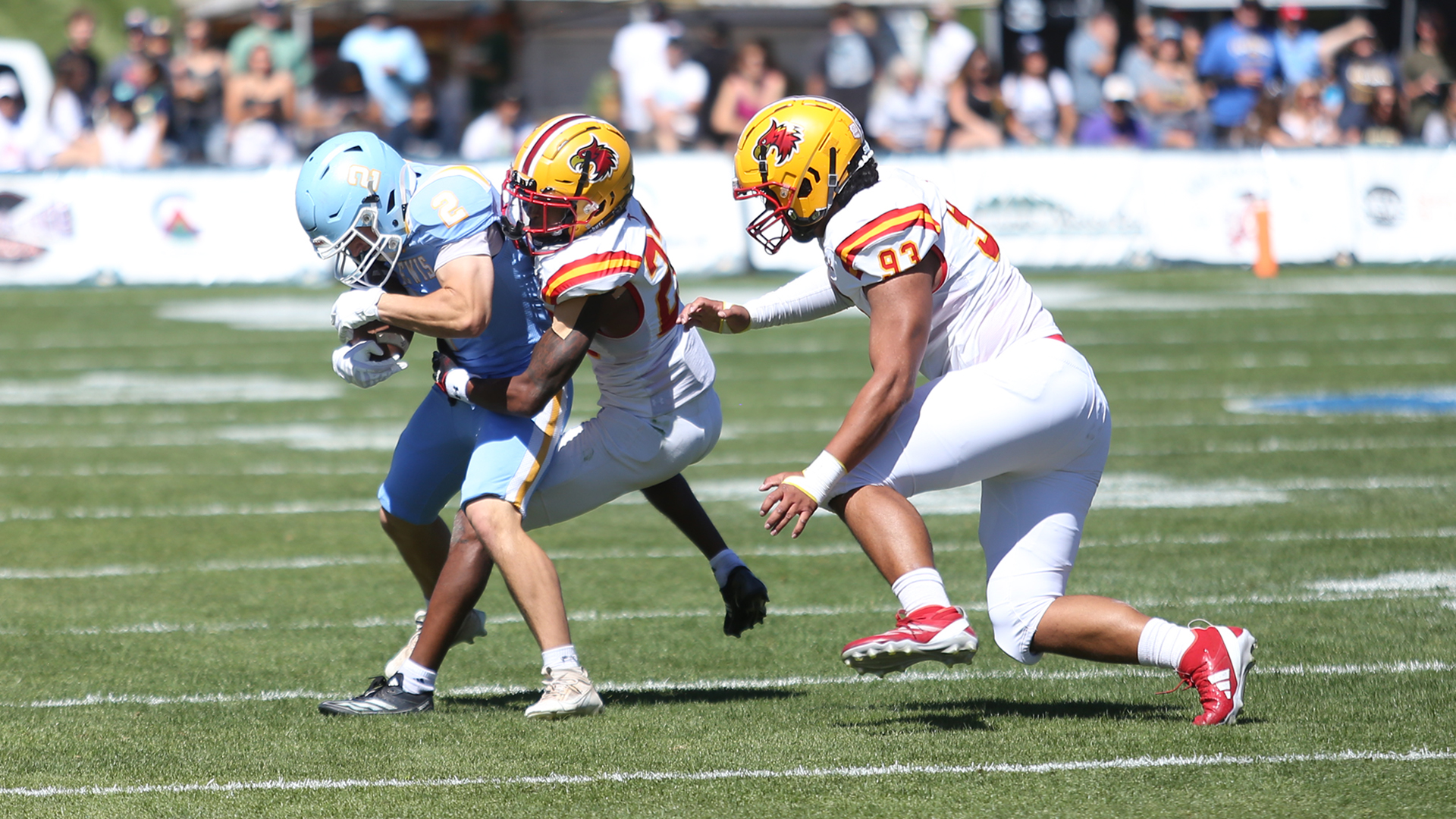
Despite its impact, home advantage is not invincible. There are counterforces capable of neutralizing it:
Elite Mentality: Teams like Real Madrid, the New England Patriots, or the Golden State Warriors have demonstrated an ability to dismantle the psychological weight of playing away. They create an “away-from-home fortress” mentality, built on preparation, mental conditioning, and an aggressive playing style that disregards the noise.
Silent Stadiums (COVID-19 Effect): The 2020 pandemic, which forced teams to play in empty arenas, revealed something astonishing—home advantage shrank significantly. Without the crowd, referees became more balanced, and the psychological pressure evaporated.
Tactical Adaptation: Well-coached teams know how to suppress the home crowd by slowing the tempo, frustrating home players, and silencing the energy before it builds into a momentum-shifting storm.

Conclusion: The Betting Takeaway—Exploiting the Home Advantage for Profits
So, does home advantage exist? Absolutely. But it’s not a mystical force; it’s a confluence of psychology, physiology, officiating dynamics, and environmental familiarity.
For sharp bettors and sports analysts, the key lies in identifying when home advantage is overpriced or underpriced in the odds. Here’s how:
✅ Look for extreme environmental factors—altitude, climate, long travel distances.
✅ Analyze referee tendencies—some are more prone to home bias than others.
✅ Factor in team mentality—elite squads can override home pressure.
✅ Consider crowd size and intensity—a full stadium matters more than a half-empty one.
Ultimately, home advantage is not a guarantee, but a lever—one that, if properly understood, can be exploited for strategic gain. Whether you’re an athlete, a coach, or a punter looking for an edge, knowing when the “unseen hand” is at play might just be your secret weapon.


