

Chapter 1: The Irony of Identity
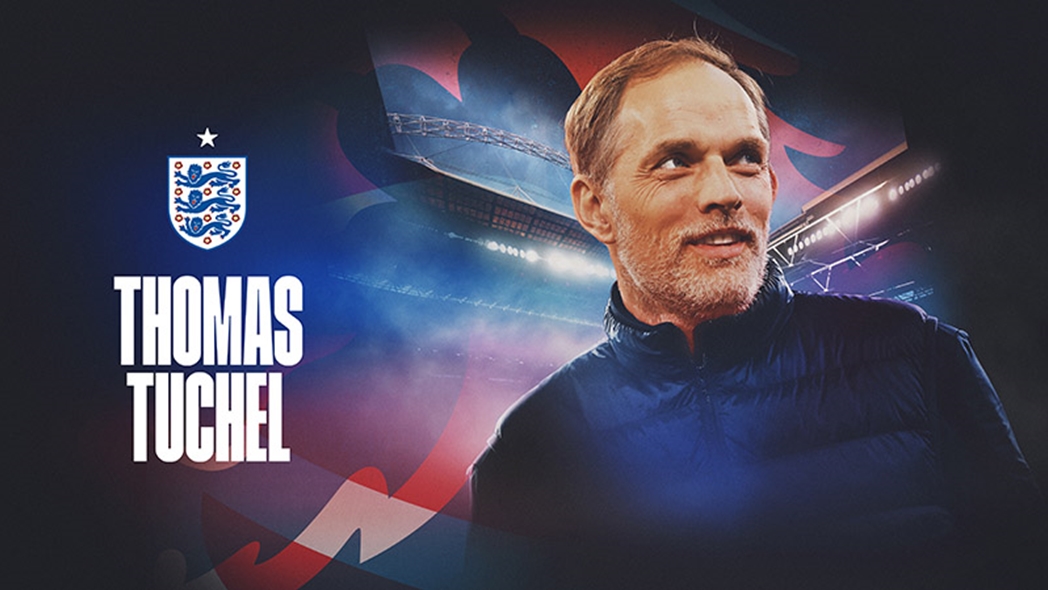
Thomas Tuchel’s appointment as England manager is a paradox wrapped in a contradiction, tied with a bow of irony. Here’s a German tactician, a man steeped in the cerebral, almost clinical traditions of Bundesliga football, tasked with harnessing the raw, unbridled energy of English football. The Football Association, in its infinite wisdom, has effectively tossed aside a decade of meticulous planning—the “England DNA” project—to embrace a win-now mentality. Yet, in doing so, they may have stumbled upon a truth so obvious it’s almost poetic: England’s DNA isn’t some carefully curated philosophy. It’s the Premier League.

Tuchel, ever the pragmatist, has already signaled his intent to lean into this reality. “We will inject a little bit of club football into federation football,” he declared at his unveiling. Translation: Forget the tiki-taka-lite aspirations of the Southgate era. England will play fast, furious, and unapologetically English. But can a man who thrives on tactical nuance truly surrender to the chaos of Premier League football? Or will he, like so many before him, retreat into the safety of conservatism when the stakes are highest?
Chapter 2: The Tactical Chameleon
Tuchel is a shapeshifter, a manager who defies easy categorization. At Borussia Dortmund, he was the high-pressing evangelist, a disciple of gegenpressing dogma. At Chelsea, he morphed into a defensive pragmatist, building his Champions League-winning side on the foundations of a deep-lying defense and rapid counter-attacks. By the time he reached Bayern Munich, he was experimenting with fast wingers and quick transitions, only to be undone by a lack of defensive solidity.
This tactical fluidity is both his greatest strength and his most glaring weakness. Unlike a Pep Guardiola or a Jurgen Klopp, Tuchel doesn’t have a singular, unwavering philosophy. He adapts, evolves, and sometimes contradicts himself. For England, this could mean one of two things: either a thrilling fusion of Premier League intensity and tactical sophistication, or a muddled, incoherent mess that fails to capitalize on the squad’s strengths.

Consider this: Tuchel’s Chelsea averaged 62.2% possession in the Premier League, yet their most iconic victories—the Champions League wins over Real Madrid and Manchester City—came with less than 40% of the ball. Which Tuchel will England get? The bold innovator or the cautious pragmatist?
Chapter 3: The Premier League Paradox
The Premier League is a beast unlike any other. It’s physical, direct, and unrelenting. It’s also a league where tactical systems are often secondary to individual brilliance. Tuchel’s challenge is to harness this chaos without being consumed by it.
His early comments suggest he’s willing to embrace the Premier League’s ethos. “We should be proud enough of the culture and the style of English football to implement this,” he said. But pride alone won’t win tournaments. England’s squad is a curious mix of world-class talent and glaring deficiencies. The attack is stacked—Harry Kane, Jude Bellingham, Phil Foden, Bukayo Saka—but the defense is a patchwork quilt of aging stalwarts and unproven prospects.

Tuchel’s solution, at least initially, may be to prioritize flexibility and intelligence over raw talent. At Chelsea, his favorites were players like Mason Mount, Jorginho, and N’Golo Kanté—smart, adaptable footballers who could execute complex tactical instructions. For England, this means Declan Rice and Jude Bellingham will be central to his plans, but don’t be surprised if he takes a shine to less heralded players like Curtis Jones or Eberechi Eze, whose work rate and tactical awareness align with his ideals.
Chapter 4: The Deschamps Dilemma
International football is a different beast entirely. The lack of training time, the pressure of knockout football, and the need for simplicity often force managers into a defensive shell. Didier Deschamps’ France is the archetype: a cagey mid-block, low-volume attacks, and a reliance on individual moments of brilliance.
Tuchel, for all his tactical ingenuity, is not immune to this reality. His Champions League triumph with Chelsea was built on defensive solidity and quick counters, not expansive, possession-based football. England’s defensive frailties may push him further in this direction, especially in high-stakes matches.
But here’s the rub: England’s fans and media crave entertainment. They want to see their team play with the same intensity and directness that defines the Premier League. Tuchel’s ability to balance these competing demands—security versus spectacle, pragmatism versus ambition—will define his tenure.
Chapter 5: The Trent Conundrum
No player embodies the tension between Tuchel’s ideals and England’s reality more than Trent Alexander-Arnold. The Liverpool right-back is a generational talent, a player whose passing range and creativity could transform England’s attack. But he’s also a defensive liability, a player whose lapses in concentration have cost his team dearly.

Tuchel’s handling of Trent will be instructive. The Premier League-inspired Tuchel—the one who values intensity and directness—will make him a cornerstone of the team. The Champions League-winning Tuchel—the cautious pragmatist—will consign him to the bench, just as Southgate did. Which path Tuchel chooses will reveal much about his priorities and his willingness to embrace risk.
Chapter 6: The Road Ahead
Tuchel’s appointment is a gamble, a bold bet on a manager whose brilliance is matched only by his unpredictability. It’s an acceptance that England’s DNA is the Premier League, for better or worse. But international football offers none of the luxuries of club management—no transfer windows, no daily training sessions, no time to instill a complex tactical system.
Tuchel’s success will depend on his ability to adapt, to find a balance between his tactical ideals and the realities of international football. It will depend on his willingness to embrace the chaos of the Premier League without being consumed by it. And it will depend on his ability to navigate the pressures of a nation that demands both success and spectacle.
In the end, Tuchel’s England may not be a team defined by a singular philosophy. It may not be a team that plays with the same intensity as the Premier League or the same pragmatism as a Deschamps side. But if Tuchel can harness the best of both worlds, he could create something truly unique—a team that reflects the contradictions and complexities of English football itself.
Actionable Framework: The Tuchel Blueprint
- Embrace Flexibility: Tuchel’s success lies in his ability to adapt. Apply this to your own life by being open to change and willing to pivot when circumstances demand it.
- Balance Risk and Reward: Tuchel’s handling of Trent Alexander-Arnold will be a masterclass in risk management. Assess your own decisions by weighing the potential rewards against the risks.
- Prioritize Intelligence: Tuchel values smart, adaptable players. Surround yourself with people who can think on their feet and execute complex tasks.
- Know Your DNA: Tuchel’s willingness to embrace the Premier League’s ethos is a reminder to stay true to your core identity, even as you evolve and adapt.
Tuchel’s England may not win every match, but it will be fascinating to watch. And in the end, isn’t that what football—and life—is all about?


